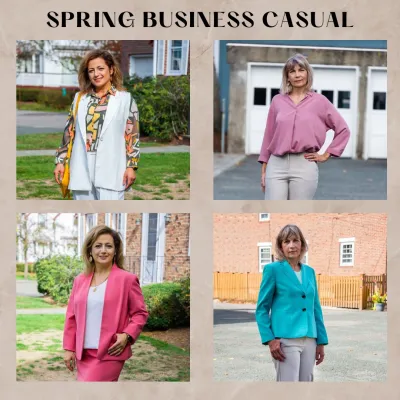
Spring Business Casual Outfits: Your Ultimate Guide To Effortless Professional Style
Struggling to strike the perfect balance between polished professionalism and the fresh, vibrant energy of spring? You're not alone. Navigating the spring business casual dress code can feel like a sartorial tightrope walk—too formal and you'll overheat in the afternoon sun, too casual and you risk undermining your credibility in the boardroom. The shift from winter's heavy layers to spring's lighter fabrics presents a unique opportunity to refresh your work wardrobe, but it requires a strategic approach. This comprehensive guide will dismantle the confusion, providing you with a clear, actionable framework to build a spring business casual wardrobe that is both seasonally appropriate and impeccably professional. From decoding the often-misunderstood dress code to mastering the art of layering and selecting the perfect fabrics, we'll equip you with everything you need to step into the office with confidence and style all season long.
Decoding the Spring Business Casual Dress Code
Before we dive into specific outfits, it's crucial to establish a clear understanding of what "business casual" actually means in a modern spring context. This dress code exists in a sweet spot between traditional corporate attire and full-on casual wear. It prioritizes a neat, put-together appearance while allowing for more personal expression and comfort than a strict suit-and-tie environment. In spring, this translates to lighter fabrics, softer silhouettes, and a broader color palette while maintaining core principles of fit and professionalism. The goal is to look like you respect your workplace and your role, without appearing stuffy or disconnected from the season's renewal.
A common misconception is that business casual means "casual." This couldn't be further from the truth. The word "business" is the modifier, meaning your casual elements must be elevated. A cotton t-shirt is too casual, but a fine-knit merino wool turtleneck or a silk-blend shell is perfect. Distressed jeans are a hard no, but dark-wash, tailored jeans (if your office allows) or chinos in a crisp fit are excellent choices. The spring element introduces materials like linen blends, lightweight cotton, and chambray, which inherently feel more relaxed but must be styled with intention—think a linen-blend blazer over a structured shell, not a rumpled linen shirt worn solo.
According to a 2023 survey by the professional styling platform, Stitch Fix, over 68% of professionals report that dressing appropriately for their workplace's dress code positively impacts their confidence and perceived competence. This psychological edge is a powerful tool. Understanding the nuanced rules of spring business casual allows you to use your wardrobe as a strategic asset, communicating reliability, adaptability, and contemporary savvy before you even speak. It’s about dressing for the job you have and the professional you aspire to be, all while enjoying the seasonal shift.
Building Your Foundation: Essential Spring Business Casual Wardrobe Pillars
Constructing a versatile spring business casual wardrobe starts with investing in a solid foundation of key pieces. These are the workhorses that mix, match, and transition seamlessly from a Monday morning client call to a Friday team lunch. Focus on quality over quantity, selecting items in neutral base colors like navy, charcoal grey, camel, and white. These act as your canvas, allowing spring accent colors and patterns to shine without overwhelming your look. The foundation should be built on impeccable fit; even the most expensive piece will look sloppy if it doesn't fit your body correctly.
For the core wardrobe, prioritize these items:
- Tailored Trousers & Chinos: Move beyond basic black. In spring, incorporate trousers in stone, khaki, light grey, or even a soft pastel like mint or blush if your office culture allows. Look for styles with a slight taper or a clean, straight leg in fabrics like cotton twill or a wool-blend for year-round versatility.
- The Perfect Blazer: A unstructured blazer is your spring MVP. Unlike a stiff, formal suit jacket, an unstructured blazer in cotton, linen blend, or tweed drapes comfortably and pairs effortlessly with everything from dresses to jeans. A navy or light grey blazer is the most versatile.
- Versatile Dresses: A shirt dress in chambray or cotton poplin is a spring classic. Its button-front design allows for adjustable coverage, and it can be belted for shape or worn open over a tee for a more relaxed vibe. A wrap dress in a solid color or subtle print is another flattering, all-in-one solution.
- Elevated Knits & Tops: Swap winter's heavy sweaters for fine-gauge knits, silk blouses, and cotton poplin shirts. A striped Breton top under a blazer reads as fresh and professional. A turtleneck in a lightweight merino is perfect for chilly spring mornings.
- The "In-Between" Layer: A cardigan with a v-neck or open front in a cashmere blend or cotton provides gentle warmth without bulk. A utility-style vest in a technical fabric can add a modern, sporty touch to a shirt and trousers.
These foundation pieces create a mix-and-match wardrobe where the number of outfits exponentially outnumbers the number of items. A single pair of tailored trousers can be worn with a blazer and shell for a meeting, with a knit and sneakers for a casual Friday, and with a dress shirt and loafers for a client presentation. This system maximizes your investment and simplifies your daily routine.
Embracing the Spring Palette: Colors and Prints That Work
Spring is synonymous with a refreshed color story. After months of deep, wintery hues, the arrival of spring invites us to incorporate soft pastels, bright accents, and nature-inspired neutrals into our business casual wardrobes. The key is integration, not replacement. Your core neutrals (navy, grey, black, white, camel) remain the bedrock of your wardrobe, providing stability and professionalism. The spring colors act as your accent pieces—a top, a scarf, a pair of shoes—that inject seasonal personality without compromising the overall tone.
Consider incorporating these spring-appropriate colors and patterns:
- Pastels:Blush pink, soft lavender, mint green, and sky blue are quintessential spring. They are soft, approachable, and convey a sense of optimism. Use them in silk blouses, fine-knit sweaters, or cotton shirts. A blush pink shell under a navy blazer is a universally flattering and professional combination.
- Brights (Used Sparingly): A pop of coral, turquoise, or yellow can be incredibly effective. Think a coral handbag, turquoise earrings, or a yellow belt to liven up a neutral base. The "one bright" rule is a safe guide: let one item be your color statement.
- Florals & Botanical Prints: Spring florals are expected, but for business casual, they must be small-scale, abstract, or artistic. A dark-based floral (like navy with white and grey flowers) or a paisley print in sophisticated colors reads as more professional than a large, bright daisy print. A floral wrap skirt paired with a solid knit and blazer is a perfect execution.
- Nature-Inspired Neutrals: Expand beyond black and grey. Sand, oatmeal, stone, and olive green are excellent, seasonally appropriate neutrals that pair with everything. An olive green utility vest or stone-colored linen trousers feel fresh and grounded.
A study on color psychology in the workplace by the University of British Columbia found that blue (especially navy) conveys trust and confidence, while green is associated with balance and reassurance. This scientific backing gives you permission to use navy as your primary professional color and soft greens as your calming spring accent. When in doubt, start with a 70/30 split: 70% of your outfit in core neutrals, 30% in spring color or print.
Fabric Fundamentals: Choosing Materials for Spring Comfort and Polish
The fabric of your garments is arguably more important than their color or cut when it comes to spring business casual. Spring weather is notoriously fickle—morning chill, afternoon sun, sudden showers. Your wardrobe needs to breathe, drape, and recover from being stuffed into a bag or worn on a crowded commute. The right fabric will keep you comfortable and looking crisp all day, while the wrong one will leave you sweaty, wrinkled, and unprofessional.
Opt for these spring-friendly fabrics:
- Linen & Linen Blends: The undisputed king of spring. Pure linen wrinkles beautifully and is highly breathable, but can look overly casual or sloppy if not perfectly tailored. Linen blends (linen + cotton, linen + viscose) offer a fantastic compromise: they retain breathability but have a smoother hand and less pronounced wrinkling. A linen-blend blazer or trousers are ideal.
- Cotton (in various weaves):Cotton poplin is crisp, smooth, and holds its shape well for shirts and dresses. Cotton twill (for chinos) is durable and has a slight diagonal rib that adds texture. Cotton jersey (for fine-knit tops) is soft and comfortable but ensure it's a high-quality, tightly knit version that doesn't cling or look t-shirt-like.
- Lightweight Wool & Wool Blends: Don't put away your winter wool trousers! Tropical wool or summer-weight wool is woven to be exceptionally breathable and cool, making it perfect for spring's temperature swings. A wool-blend blazer in a lighter weight is a year-round hero.
- Silk & Silk Blends:Silk blouses are the epitome of elevated comfort. They regulate temperature beautifully, feel luxurious against the skin, and drape elegantly. A silk-cotton blend is more durable and often easier to care for.
- Technical Fabrics: Modern performance fabrics have moved far beyond athletic wear. Look for blazers and trousers made from stretch cotton with moisture-wicking properties or wrinkle-resistant treatments. These are game-changers for travel and long days.
Avoid these spring fabric pitfalls: Heavy fleece, thick knits, stiff polyester (which doesn't breathe), and pure, unblended rayon (which can shrink and wrinkle easily). When shopping, touch the fabric. It should feel cool and smooth, not sticky or plasticky. Check the care label; machine-washable or wrinkle-resistant claims are huge wins for a low-maintenance spring wardrobe.
Mastering Spring Layering: The Art of Adaptable Style
Layering is not just a practical necessity for unpredictable spring weather; it's a fundamental styling technique that adds depth, dimension, and versatility to your business casual outfits. The goal is to add or remove layers smoothly as you move from a cool office to a warm sidewalk or an air-conditioned conference room. Effective layering also allows you to extend the wear of your wardrobe, creating multiple looks from a few key pieces.
The Spring Layering Formula: Base + Mid + Outer (Optional)
- The Base Layer: This is your starting point—a shell top, fine-knit tee, or turtleneck. It should be fitted or semi-fitted to avoid bulk under other layers. Neutrals or simple patterns work best here.
- The Mid Layer: This is where you add style and warmth. Options include:
- A button-down shirt (cotton poplin or chambray), worn open over the base or tucked in.
- A lightweight sweater or cardigan.
- A vest (denim, wool, or utility style) for a sharp, sleeveless option.
- A dress worn as a layer over trousers or leggings (a trendy, editorial look if your office is fashion-forward).
- The Outer Layer: Your blazer, structured coat (like a trench coat), or a smart jacket. This is your final polish and protection against the elements.
Practical Layering Combinations for Spring:
- The Office Classic:Base: Silk shell. Mid: Unstructured blazer. Outer: Trench coat (for commute). Remove coat and blazer for a meeting, revealing just the shell for a cooler, still-professional look.
- The Casual Friday:Base: Striped Breton tee. Mid: Denim or chore jacket. Outer: None needed unless chilly. Add a scarf for a pop of color.
- The Chilly Morning:Base: Lightweight turtleneck. Mid: Cardigan. Outer: Wool-blend blazer. As the day warms, remove the blazer, then perhaps the cardigan, leaving the turtleneck which is still seasonally appropriate.
Crucial Layering Tips: Pay attention to fabric weights. Your layers should progress from lightest (base) to heaviest (outer). Avoid pilling by not rubbing delicate fabrics like silk against rough ones like wool. Fit is paramount—each layer should fit comfortably on its own; together, they should allow for movement without straining seams. Finally, color coordination across layers creates a cohesive look. Use a color-blocking approach (navy shell, white shirt, grey blazer) or a monochromatic scheme (all shades of beige and cream) for a sophisticated feel.
Footwear: Stepping into Spring with Professional Flair
Footwear is the anchor of your spring business casual outfit. It can instantly elevate or undermine your entire look. Spring footwear trends lean towards lighter materials, cleaner lines, and a blend of traditional polish with casual comfort. The key is choosing shoes that are closed-toe (for most traditional offices), in good repair (no scuffs or excessive wear), and appropriate for your specific workplace culture. A tech startup might embrace clean, minimalist sneakers, while a law firm may require a classic loafer.
Top Spring Business Casual Footwear Choices:
- Loafers (The Undisputed Champion): A bit loafer (with a metal bit detail) or a penny loafer in leather or suede (for a more casual texture) is a spring essential. They are inherently preppy, professional, and pair with everything from cropped trousers to dresses. Consider a suede version in camel or grey for a softer spring feel.
- Ankle Boots (For Early Spring & Cooler Days):Chelsea boots with a sleek, low heel or a flat are perfect. Choose leather or suede in black, brown, or taupe. They look fantastic with cropped trousers or slim jeans (if allowed) and provide great coverage.
- Clean, Minimalist Sneakers: This is the most trend-forward option and depends heavily on your office. White leather sneakers (like Common Projects or a quality dupe) with a clean, simple silhouette are widely accepted in many modern offices. The rule: they must be spotless and in perfect condition. Avoid athletic running shoes or overly branded styles.
- Ballet Flats & Mary Janes: A pointed-toe flat elongates the leg and looks chic. Mary Janes with a low block heel are having a major moment and offer a playful yet polished vintage vibe. Both are excellent for days with lots of walking.
- Block Heel Pumps or Mules: A low block heel (1-2 inches) provides stability and comfort. Mules (backless shoes) are trendy but ensure they have a structured front and aren't too casual (no fuzzy slides). A leather mule in a neutral color is a great slip-on option.
What to Generally Avoid: Flip-flops, athletic sandals (like Tevas), worn-out Converse, Uggs, and any shoe with excessive glitter, sequins, or cut-outs. When in doubt, default to a classic loafer or a clean flat. Remember, your shoes should complement your outfit, not be the main event. Invest in quality leather; it breaks in comfortably and lasts for years, making it a sustainable choice.
Accessorizing Your Spring Business Casual Look
Accessories are the exclamation points of your spring business casual outfit. They are the easiest and most affordable way to inject personality, update a look, and show attention to detail. In spring, accessories can lean into the season's lighter, more playful spirit while maintaining a sense of refinement. The mantra is "one statement piece per outfit." Let your handbag, jewelry, or scarf be the focal point, not all three at once.
Strategic Spring Accessory Choices:
- Handbags: Opt for structured silhouettes—a top-handle tote, a satchel, or a structured crossbody. Materials like straw (for a summery feel, but ensure it's well-constructed), canvas, leather, or suede work well. Colors in neutral tones or spring pastels are ideal. The bag should be large enough for essentials but not sloppy.
- Jewelry:Delicate gold or silver necklaces, hoop earrings (small to medium size), and simple bracelets add polish. Spring is a great time for gemstone-colored pieces—think moonstone, aquamarine, or light rose quartz—for a subtle pop. Statement earrings can elevate a simple top and blazer combo instantly.
- Scarves: A lightweight silk scarf or a cotton voile scarf is perfect for spring. Wear it around your neck, tied in your hair, or even as a belt to add a print or color to a solid outfit.
- Belts: A thin leather belt in tan or cognac can define the waist on a dress or blazer. A fabric belt or a webbed belt can add a casual, sporty touch to trousers and a knit.
- Eyewear: If you wear glasses, ensure your frames are in good condition. Sunglasses for your commute should be classic (wayfarers, aviators) and in good repair—no sporty wraparounds unless your industry is very casual.
Remember, accessories should complement, not compete with, your outfit. If you're wearing a floral dress, choose solid-color accessories. If your outfit is entirely neutral (navy trousers, white shirt, grey blazer), you have more license to use a colorful bag or bold earrings. The goal is to look intentional and thoughtful, not like you raided a costume box.
Common Spring Business Casual Mistakes (And How to Avoid Them)
Even with the best intentions, it's easy to slip into spring business casual pitfalls that can undermine your professional image. Awareness is the first step to correction. The most frequent errors involve fabric choices, fit, and a misunderstanding of the "casual" component. Let's dissect these common missteps and provide clear alternatives.
Mistake 1: Wearing Fabrics That Are Too Casual or Wrinkly.
- The Error: Choosing a 100% linen shirt that wrinkles instantly and looks slept-in by 10 AM, or a cotton t-shirt (even if it's a "nice" brand) under a blazer.
- The Fix: Opt for linen blends (linen/cotton, linen/viscose) which have a smoother hand and better wrinkle recovery. For tops, choose pima cotton, supima cotton, silk, or high-quality knits. If you must wear a tee under a blazer, make it a fine-gauge merino wool or cashmere blend crewneck—it looks like a knit, not a t-shirt.
Mistake 2: Neglecting Fit and Tailoring.
- The Error: Wearing baggy chinos, a blazer with sleeves too long, or a dress that's too tight. Ill-fitting clothing is the fastest way to look unprofessional, regardless of cost.
- The Fix:Budget for tailoring. A $20 alteration on a $100 blazer makes it look like a $500 blazer. Ensure trousers have a clean break (or are cropped appropriately for spring), sleeves end at your wrist, and shoulders fit snugly without pulling. Tailoring is non-negotiable for a polished look.
Mistake 3: Overdoing the "Spring" Element.
- The Error: Wearing a head-to-toe floral print, a bright yellow suit, or multiple pastel pieces at once. This can look costume-y and distract from your professional presence.
- The Fix: Use the 70/30 or 80/20 rule. Let 70-80% of your outfit be in core neutrals (navy, grey, white, black, camel). Use the remaining 20-30% for your spring element—a floral skirt, a pastel blouse, a bright handbag. This creates balance and ensures your look is sophisticated, not silly.
Mistake 4: Choosing Inappropriate Footwear.
- The Error: Wearing athletic sneakers (unless explicitly allowed), scuffed loafers, flip-flops, or shoes with excessive wear.
- The Fix:Clean, classic, closed-toe shoes are your safest bet. If embracing sneakers, choose a minimalist, all-leather style in white or black and keep them immaculate. Polish your leather shoes weekly. When in doubt, default to a loafer or a clean flat.
Mistake 5: Forgetting the Details.
- The Error: Having unmatched socks visible when crossing legs, a stained or wrinkled top, chipped nail polish, or overly casual hair (e.g., a messy bun with frizz for a client meeting).
- The Fix:Polish your entire look. Ensure socks are dark or match your trousers if visible. Iron or steam your clothes. Maintain groomed nails (clear polish or neutral colors). Hair should be neat and tidy. These small details signal that you care about your presentation from head to toe.
Transitioning Your Winter Wardrobe into Spring
You don't need to discard your entire wardrobe on March 21st. A savvy spring business casual strategy involves transitioning your existing winter pieces into the new season through fabric swaps, color pairings, and styling tweaks. This is not only cost-effective but also sustainable. The goal is to make your winter items feel lighter and more seasonally appropriate.
How to Transition Key Winter Pieces:
- Your Wool Trousers: Your dark wool trousers are still perfect for early spring's chilly mornings. Pair them with a lightweight silk shell and a linen-blend blazer instead of a wool coat. As it warms, the blazer alone suffices. Swap your winter boots for loafers.
- Your Turtlenecks: A fine-gauge merino turtleneck is a year-round hero. In spring, wear it under a shirt dress (with the collar and hem showing) or with cropped trousers and a blazer. The fabric is light enough for indoor office temperatures.
- Your Blazer: Your structured wool blazer works perfectly with spring's lighter separates. Wear it over a cotton poplin shirt and stone-colored chinos. The contrast of the heavy blazer with the light trousers and shirt creates a balanced, transitional look.
- Your Dark Knits: A charcoal grey cashmere sweater can be worn with a white linen skirt or light-wash denim (if jeans are allowed). The dark top provides visual weight, while the light bottom feels spring-like.
- Your Outerwear: A trench coat is the ultimate transitional piece. It's lightweight enough for spring rain but provides sufficient coverage for cool days. A structured wool coat can be worn early spring, but as temperatures rise, switch to a lightweight utility jacket or denim jacket for casual Fridays.
The secret is in the proportions and fabric pairings. Always pair a heavier winter item with at least one spring-appropriate piece (light fabric, spring color, cropped silhouette). This visually "lightens" the overall look and signals your awareness of the season.
Shopping Smart for Spring: Investment Pieces and Sustainable Choices
Building or refreshing your spring business casual wardrobe doesn't require a complete overhaul. It requires strategic shopping focused on versatile investment pieces and, increasingly, sustainable choices. The most successful wardrobes are built on a foundation of high-quality, timeless items that you wear consistently, rather than a closet full of trendy, disposable pieces that fall apart after one season.
The Investment Piece Mindset:
An investment piece is an item with a higher price point that you will wear at least 30 times (the "30 Wears" rule popularized by Livia Firth). For spring business casual, these are:
- A perfectly tailored unstructured blazer in a neutral color.
- A pair of high-quality, tailored trousers in a versatile fabric like tropical wool or a premium cotton blend.
- A luxe leather loafer from a reputable brand known for comfort and craftsmanship.
- A silk or high-quality cotton shirt dress that fits like a dream.
These pieces form the core of your wardrobe and will last for years, reducing your cost-per-wear dramatically.
Embracing Sustainable and Ethical Shopping:
The fashion industry is a major polluter, and fast fashion's low-quality garments often end up in landfills after a few wears. For a more conscious spring business casual wardrobe:
- Prioritize Quality Over Quantity: Buy fewer, better things. Check seams, fabric weight, and stitching.
- Explore Sustainable Brands: Many brands now focus on organic cotton, recycled materials, Tencel (a sustainable viscose), and ethical manufacturing. Brands like Eileen Fisher, Reformation (for professional pieces), Patagonia (for basics), and many smaller direct-to-consumer brands offer transparency.
- Shop Second-Hand & Vintage: Thrift stores, consignment shops, and online platforms like The RealReal or Vestiaire Collective are treasure troves for high-quality, timeless blazers, leather bags, and designer shoes at a fraction of the cost. A vintage wool blazer or leather loafer is often superior in construction to modern fast-fashion equivalents.
- Care for Your Clothes: Extend the life of everything you own. Wash in cold water, air-dry when possible, store properly (use padded hangers for blazers), and ** mend small tears** immediately. This is the ultimate form of sustainable fashion.
When shopping for spring, ask yourself: "Does this work with at least three other items in my current wardrobe?" and "Will I wear this at least 30 times?" If the answer is no, put it back.
Conclusion: Cultivating Your Confident Spring Style
Mastering spring business casual is less about following a rigid set of rules and more about understanding the underlying principles of professional polish, seasonal appropriateness, and personal expression. It's a dynamic balance. You've now learned to decode the dress code, build a versatile foundation with key pieces, embrace a refreshing spring palette through strategic accents, select breathable and functional fabrics, and master the art of adaptable layering. You understand which footwear anchors your look, how to use accessories as deliberate statements, and the common pitfalls to avoid.
Remember, the most powerful accessory is confidence. When your clothes fit well, are appropriate for the season and setting, and reflect a bit of your personality, you project an aura of competence and ease. Your spring business casual wardrobe should empower you to focus on your work, not on worrying about your outfit. Start by auditing your current closet using the fabric and fit guidelines provided. Identify one or two key investment pieces you might need. Then, shop with intention, whether at a sustainable brand, a trusted retailer, or a second-hand platform.
As the season unfolds, allow your style to evolve subtly. Notice what makes you feel most capable and comfortable. The goal is to create a capsule wardrobe that feels fresh in spring, transitions smoothly into summer, and serves you faithfully for years to come. Now, go forth and embrace the season with style that is both professionally sharp and effortlessly spring-ready.