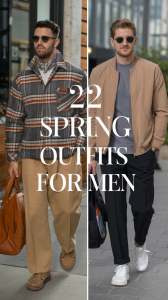
Spring Outfits Men: 20+ Essential Looks & Style Tips For 2024
Struggling to transition your wardrobe from the heavy layers of winter to the unpredictable whims of spring? You're not alone. Navigating spring outfits for men is one of the most challenging—and rewarding—style puzzles of the year. The season throws everything at you: sunny 70-degree afternoons, sudden chilly evenings, and those inevitable spring showers. The key to mastering it isn't a single magic item, but a strategic system of versatile pieces, intelligent fabrics, and the lost art of layering. This comprehensive guide dismantles the confusion and builds your ultimate spring style blueprint, piece by piece, outfit by outfit. Forget the guesswork; we're providing actionable formulas, fabric science, and shopping intelligence to ensure you look polished, comfortable, and perfectly in-season from March through May.
Understanding Spring's Unique Challenges: Why Your Winter Strategy Fails
Spring is not simply a "lighter" winter. It's a transitional battlefield with its own rules. The primary adversary is temperature volatility. A morning chill can give way to an afternoon sunbath, which can then plunge into a damp, windy evening. Your outfit must be a adaptable toolkit, not a static uniform. According to meteorological data, many major cities experience average temperature swings of 15-20 degrees Fahrenheit within a single spring day. This makes the "one thick layer" approach obsolete.
The second challenge is moisture in all its forms. From morning dew and afternoon drizzle to high humidity, spring air is rarely dry. This means fabrics that wick moisture, dry quickly, and resist light rain are non-negotiable. Cotton, while breathable, becomes a soggy liability in a sudden shower. Conversely, a fully waterproof shell can trap heat and feel industrial on a mild day. The solution lies in technical fabrics and smart layering that provides both breathability and a barrier against the elements. Finally, there's the aesthetic shift. Winter is about depth, texture, and heaviness. Spring demands lightness, airiness, and a pop of color. It's the season to reintroduce skin (via rolled sleeves, shorts) and play with a brighter palette without looking like you're headed to the beach.
The Foundation: Essential Fabrics and the Unmistakable Power of Fit
Before you buy another piece, you must understand the materials. The wrong fabric will undermine even the most stylish cut.
Breathable, Seasonal Fabrics Are Your Best Friend
Your spring wardrobe should be built on a foundation of natural and blended performance fabrics.
- Lightweight Cotton: The workhorse. Think poplin and Oxford cloth for shirts (breathable, crisp), and jersey for tees (soft, comfortable). It's absorbent and comfortable in dry heat.
- Linen: The undisputed king of hot-weather comfort. Its loose weave allows for incredible airflow, making it ideal for shirts and trousers. Yes, it wrinkles—that's part of its relaxed charm. For a less crinkly look, seek linen-cotton blends.
- Technical Knits & Blends: Fabrics like merino wool (lightweight, temperature-regulating, odor-resistant) and performance polyester blends (moisture-wicking, quick-drying) are game-changers. A merino tee under a shirt provides warmth without bulk.
- Chambray & Denim: A spring staple. Lighter weight than your winter jeans, a chambray shirt mimics denim's aesthetic but with the breathability of a shirt. It's incredibly versatile.
- Avoid: Heavy wool flannels, thick knits, and non-breathable polyester. Save them for fall.
Fit Is Not Optional, It's Everything
An ill-fitting garment in the wrong fabric is a double failure. Spring fit should feel considered and comfortable.
- Tops (T-shirts, Shirts): Should skim the torso without pulling. Sleeves should end at the bicep, not the mid-arm. The collar should allow two fingers to fit comfortably when buttoned.
- Trousers & Shorts: No excessive fabric pooling at the ankles or thighs. For chinos and trousers, a slight taper to the ankle is modern. For shorts, the hem should hit mid-thigh—any higher risks looking athletic, any lower risks looking sloppy.
- Jackets: Should allow for layering underneath. The shoulders must align with your own; you shouldn't be able to fit more than a thin sweater or shirt beneath without restricting movement.
Investing in minor tailoring (taking in a waist, hemming trousers) is the single most cost-effective way to elevate your entire wardrobe.
Building Blocks: Core Wardrobe Staples You Must Own
Think of these as the LEGO bricks of your spring outfits. Mix and match them to create endless combinations.
The Essential T-Shirt (The Base Layer)
You need a rotation of high-quality, crewneck t-shirts in neutral colors. Heather grey, white, navy, and black are the core. Look for a medium-weight jersey (180-220 GSM) that holds its shape and isn't see-through. Pro tip: A V-neck can be more flattering under an open shirt for some body types, but the crewneck is the universal standard.
The Versatile Shirt (The Style Workhorse)
This is your most powerful tool. Build a collection:
- Oxford Cloth Button-Down (OCBD): The ultimate casual-smart shirt. Wear it untucked with shorts, tucked with chinos, or layered over a tee. Crisp but relaxed.
- Linen or Linen-Blend Shirt: For the hottest days. Wear it loose and untucked for maximum airflow.
- Chambray Shirt: The denim impersonator. Pairs with everything from grey trousers to black shorts.
- Short-Sleeve Cuban Collar Shirt: A major spring/summer trend. Choose in solid colors or subtle prints. It's vacation-ready but city-appropriate when paired with tailored trousers.
The Modern Short (For When It Heats Up)
Forget baggy cargo shorts. The modern man's short is tailored.
- Length: 9-11 inches inseam is the sweet spot for most men.
- Fit: Straight or slim fit through the seat and thigh.
- Fabric:Cotton twill, chino cloth, or performance blends. Avoid shorts with excessive pockets, elastic waistbands (unless for athletic wear), or loud patterns.
- Colors:Khaki, navy, olive, charcoal, and white are your neutrals.
The Lightweight Jacket (Your Armor Against the Chill)
You need 2-3 of these.
- The Chore Jacket (or Field Jacket): A cotton canvas or waxed cotton jacket. Incredibly rugged, perfect for a chilly afternoon. Wear over a hoodie or flannel.
- The Denim Jacket: A timeless icon. Fits seamlessly over a tee or a hoodie. Dark wash is more versatile.
- The Bomber Jacket: In nylon or suede. Adds an urban edge. Ideal for a cool spring evening.
- The Lightweight Utility Vest: A fantastic layering piece that adds warmth to the core without restricting arm movement.
The Trousers Beyond Jeans
While a pair of light-wash or mid-wash jeans is essential, diversify.
- Chinos: The cornerstone of smart casual. In stone, khaki, olive, and navy.
- Lightweight Wool Trousers: For a sophisticated, temperature-regulating option that looks dressier.
- Technical Trousers: From brands like Lululemon or Patagonia. They look like chinos but perform like athletic wear (water-resistant, stretch, wrinkle-resistant).
Mastering the Art of Layering: The Formula for Temperature Control
Layering is not just piling on clothes. It's a system with a clear hierarchy.
- The Base Layer (Moisture Management): This is your t-shirt or lightweight long-sleeve. Its job is to wick sweat away from your skin. Merino wool or performance synthetics excel here.
- The Mid Layer (Insulation): This provides warmth. Think a lightweight fleece, a thin sweater (like a merino quarter-zip), or a flannel shirt. This layer traps air warmed by your body.
- The Outer Layer (Protection): This shields you from wind and light rain. Your chore jacket, denim jacket, or a lightweight technical shell goes here.
Key Layering Principles:
- Progress from Thinnest to Thickest: Base -> Mid -> Outer.
- Mind the Bulk: Each layer should be thin enough that the combination doesn't feel like you're wearing a mattress. A thick sweater under a thick jacket is a no-go.
- Play with Proportions: A shorter jacket over a longer shirt or tee creates visual interest.
- The "Open" Layer: An unbuttoned shirt or an unzipped jacket over a graphic tee is a classic spring look that provides adjustable warmth.
Example Layering Formula:Performance Tee (base) -> Oxford Shirt (mid, unbuttoned) -> Chore Jacket (outer). Remove the jacket in the afternoon, roll up the sleeves of the shirt.
Outfit Formulas for Every Spring Occasion
Now, let's assemble the bricks. Here are repeatable formulas for key situations.
The Casual Weekend Run-Around
This is your default mode. The goal is effortless comfort with a hint of intention.
- Formula 1:Quality Graphic Tee + Tailored Shorts (khaki/navy) + Clean White Sneakers (like Common Projects or Stan Smiths) + Minimal Watch.
- Formula 2:Solid Crewneck Tee + Lightweight Chinos (cuffed) + Bomber Jacket (optional) + Low-top Sneakers.
- Key Takeaway: The shoes and shorts should be in good condition—no frayed hems or scuffed leather.
Smart Casual / Date Night
"Smart Casual" means you're elevated, not formal. It's the most important dress code to master.
- Formula 1:Oxford Cloth Button-Down (solid color, untucked) + Tailored Chinos (navy or olive) + Leather Loafers (penny or driving) or Clean Leather Sneakers.
- Formula 2:Long-Sleeve Henley (3-5 button placket) + Dark-Wash Jeans (no distressing) + Suede Jacket or Dark Denim Jacket + Boot or Chelsea Sneaker.
- Formula 3:Short-Sleeve Cuban Collar Shirt (in a solid or subtle print) + Lightweight Wool Trousers (grey) + Minimal Leather Sandals (for a warmer evening) or Clean Sneakers.
- Pro Tip: The one "fancy" item rule. If your shirt is patterned, keep pants and shoes simple. If your shoes are a statement (like a unique sneaker), keep the rest of the outfit neutral.
The Office (Business Casual)
Spring in the office is about looking sharp without overheating.
- Formula 1:Button-Down Shirt (no denim or loud prints) + Chinos (no shorts) + Leather Belt + Leather Oxfords or Loafers. Add a fine-gauge merino sweater over the shirt for cold offices.
- Formula 2:Polo Shirt (only if your office culture allows) + Tailored Trousers (not jeans) + Leather Sneakers (all-black, minimalist). This is a modern, acceptable upgrade in many tech/creative fields.
- Avoid: Shorts, graphic tees, athletic wear, and overly casual sandals.
Footwear: The Spring-Specific Selection
Your winter boots are going into storage. Your spring shoe rotation should be lightweight, breathable, and often with a lighter sole.
- Clean, Minimalist White Leather Sneakers: The undisputed champion. They work with everything from shorts to suit trousers. Keep them clean!
- Loafers (Penny, Driving, Bit): The ultimate smart casual shoe. Wear with no-show socks or invisible socks.
- Boat Shoes: A preppy classic. Best with no-show socks and shorts or rolled chinos. Ensure they're not scuffed.
- Suede Desert Boots or Chelseas: Adds texture and a slight edge. More appropriate for cooler spring days or evenings.
- Technical Hiking-Inspired Sneakers (e.g., Hoka, On Running): For the ultra-casual, sporty look. Ensure the colorway is neutral (black, grey, white).
- Avoid: Heavy work boots, flip-flops (outside the beach/pool), and formal Oxfords unless required for a specific event.
Accessorizing for Impact: Less is More
Spring is the season to reintroduce accessories, but discipline is key.
- The Watch: A single, versatile watch on a leather or nylon strap. A field watch or minimalist dress watch on a brown leather strap is a 10/10 choice.
- Sunglasses: A classic shape (wayfarer, clubmaster, round) in a neutral frame (tortoise, black, gold). Invest in UV400 protection.
- A Quality Bag: A canvas tote for errands, a leather crossbody or messenger bag for daily carry, or a minimalist backpack in nylon or leather.
- Headwear: A structured baseball cap (no logos) or a lightweight beanie for a cool evening. A panama hat is a bold but sophisticated choice for sunny days.
- Rule: Pick one or two accessories max. A watch + sunglasses + a bag is often enough. Don't overdo it.
Color and Pattern Play: Embracing the Season's Palette
Spring is when you reintroduce color after winter's neutrals.
- The Spring Palette: Think pastels (soft pink, mint green, light blue, lavender), brights (coral, lemon yellow, turquoise), and earthy tones (terracotta, sage green). Start by incorporating one colored item into a neutral outfit.
- Pattern Mixing 101: The easiest way is to mix scale. Pair a fine-gauge stripe (like on a shirt) with a larger, bolder pattern (like a floral or geometric shorts). Keep the color family related (e.g., blues with blues).
- The Neutral Foundation: Your core wardrobe (tees, chinos, jackets) should be in white, grey, navy, olive, khaki, and black. This allows your one statement piece (a patterned shirt, colored shorts) to shine without clashing.
- A Safe Pattern:Subtle micro-prints or vertical stripes are nearly foolproof and add visual interest without being loud.
Grooming and Finishing Touches: The Unseen Details
Your outfit is only as good as the frame it's presented in.
- Skincare: Spring sun is strong. Use a lightweight, SPF 30+ moisturizer daily. Exfoliate to remove winter dullness.
- Hair: A fresh cut signals the new season. Use a light styling product for a natural, movable finish—avoid stiff, helmet-like gels.
- Fragrance: Swap heavy winter orientals for fresh, aquatic, or citrus-based scents. Think vetiver, grapefruit, or light florals. One or two sprays is enough; you want to be noticed up close, not from across the room.
- Nails: Clean, trimmed, and filed. No ragged edges.
- The Final Mirror Check: Does everything fit? Are there no loose threads or stains? Is your posture good? This 30-second check is your final seal of approval.
Shopping Smart: Quality Over Quantity, Every Time
Resist the urge to buy a new wardrobe from fast-fashion retailers. Invest in fewer, better pieces.
- Fabric is King: Feel the fabric in the store. Is it thin and flimsy? Does it feel substantial? Check the label for natural or high-quality blended fibers.
- Construction Matters: Look for clean stitching, reinforced seams (especially on shoulders and crotch), and quality buttons (horn, mother-of-pearl, or thick plastic). A poorly made shirt will pill, fade, and fall apart in one season.
- The "Cost Per Wear" Mindset: A $80 tee that lasts 5 years is a better investment than a $15 tee that lasts 5 washes. Calculate how many times you'll realistically wear an item before buying.
- Build a Capsule: Start with the core neutrals listed above. Once you have 8-10 perfect-fitting staples, then add one or two trendier or colored items.
- Where to Look: You don't need to break the bank. Brands like Uniqlo, Everlane, J.Crew, and Todd Snyder offer excellent quality-to-price ratios for basics. Save for one investment jacket (like a chore jacket from Engineered Garments or a leather jacket) that will last a decade.
Maintaining Your Spring Wardrobe: Care for Longevity
Your clothes will last longer and look better with proper care.
- Wash Less, Wash Smarter: Don't wash after every wear unless visibly soiled or smelly. For jeans and trousers, spot clean and hang to air out. When you do wash, use cold water and mild detergent.
- Skip the Dryer: Air-dry everything possible. It prevents shrinking, fading, and fabric damage. Lay knits flat to dry.
- Store Properly: As humidity rises, ensure clothes are completely dry before storing to prevent mildew. Use cedar blocks or lavender sachets to deter moths.
- Repair, Don't Retire: A loose button, a small tear, or a worn heel can be fixed. Find a good local tailor. It's cheaper than replacing.
- Rotate Your Shoes: Don't wear the same pair two days in a row. Let them air out and recover their shape. Use shoe trees for leather shoes.
Conclusion: Your Spring Style, Decoded
Mastering spring outfits for men boils down to three pillars: fabric intelligence, strategic layering, and a foundation of versatile staples. It's about building a system that responds to the weather, not fighting it. You now have the blueprint: understand the season's volatility, choose breathable cotton and linen in a perfect fit, assemble your core collection of tees, shirts, shorts, and lightweight jackets, and learn to combine them using the outfit formulas provided. Remember, confidence is your final accessory. The best-dressed man isn't the one with the most clothes or the highest price tags; he's the one who understands the rules, owns a curated toolkit, and wears his choices with ease. Spring is a season of renewal—renew your wardrobe with intention, and step into the warmer months looking and feeling your absolute best. Now, go build some outfits.
:max_bytes(150000):strip_icc()/springdatenightoutfits-social-c168f049909f4dde8e386678c552aafb.jpg)