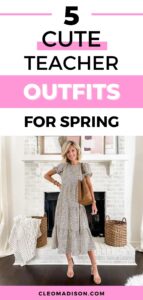
Spring Teacher Outfits: How To Look Polished, Professional, And Ready For The Season
Are you staring into your closet this spring, wondering how to bridge the gap between winter's heavy layers and summer's casual ease while still looking like the capable, credible educator you are? You're not alone. The shift in seasons brings a unique sartorial challenge for teachers. Spring teacher outfits must balance professionalism with comfort, navigate unpredictable classroom temperatures, and often do it all on a budget. It’s about more than just fashion; it’s about creating a look that commands respect, supports dynamic teaching, and makes you feel confident from morning meeting to afternoon dismissal. This guide will transform your seasonal wardrobe, offering a complete blueprint for mastering spring fashion for teachers.
The Foundation: Understanding the Teacher's Spring Dress Code Reality
Before we dive into specific outfits, it’s crucial to ground our style advice in the real-world constraints of the classroom. Teacher dress codes vary by district and school culture, but common threads exist: professionalism, modesty, and practicality. Spring adds layers of complexity—think sudden chilly mornings, stuffy afternoon classrooms, and the occasional outdoor duty or field trip.
Navigating School-Specific Policies
Your first step is always to review your employee handbook. Some schools have explicit guidelines about sleeve length, neckline, skirt length, and footwear. If the policy is vague, observe what respected, long-tenured colleagues wear. Their teacher wardrobe often reflects the unspoken but accepted standard. When in doubt, opt for pieces that are conservative yet contemporary. A good rule of thumb: if you wouldn’t wear it to a business meeting, it might not be suitable for a parent-teacher conference.
The Non-Negotiables: Comfort and Function
Teachers are on their feet, sitting on the floor, reaching for high shelves, and often bending or kneeling. Your spring teacher outfits must accommodate this. Stretch fabrics, breathable materials like cotton blends and linen, and flexible silhouettes are your best friends. Avoid anything too tight, too sheer, or that requires constant adjusting. Footwear is paramount—while many schools allow stylish sneakers or clean, minimalist flats, some still require closed-toe shoes. Comfort isn’t a luxury; it’s a necessity for maintaining energy and focus throughout the day.
Budget-Conscious Building
Teaching isn’t known for its high salaries, and building a seasonal wardrobe can feel daunting. The key is a capsule wardrobe approach. Invest in a few high-quality, versatile teacher basics that mix and match effortlessly. A well-chosen blazer, a classic pair of trousers, and a few beautiful blouses can create dozens of combinations. Thrifting, consignment shopping, and end-of-season sales are treasure troves for finding durable, professional pieces at a fraction of the cost. Remember, cost per wear is your metric—a $50 blouse you wear 30 times is a better investment than a $20 top you wear twice.
The Core Spring Teacher Capsule: Essential Pieces to Own
Building a functional teacher wardrobe for spring starts with a foundation of adaptable staples. These are the items you’ll reach for again and again, forming the backbone of your daily spring teacher outfits.
The Perfect Pair of Trousers
Ditch the stiff, uncomfortable work pants. For spring, look for trousers in lightweight wool blends, cotton twill, or stretch ponte. Colors like khaki, navy, grey, and even a soft olive are incredibly versatile. A slightly cropped ankle length is modern and works well with flats or low wedges. High-waisted styles offer a polished look and stay put during all your classroom movements. Ensure they have a comfortable rise and a bit of stretch for sitting cross-legged during reading time.
The Versatile Skirt
A knee-length or just-below-knee A-line or pencil skirt is a spring essential. Choose fabrics with some drape and structure, like a cotton-silk blend or a medium-weight knit. Patterns like subtle pinstripes, small florals, or gingham add visual interest without being distracting. Pair it with a simple sweater or blouse for a look that’s feminine, professional, and appropriate for any school setting. Avoid skirts that are too tight or too short, as they can restrict movement and may not comply with modesty standards.
The Elevated Knit
Sweaters aren’t just for winter. A fine-gauge merino wool or cotton-blend cardigan is perfect for chilly classroom mornings and air-conditioned afternoons. Look for open-front styles in neutral colors or soft pastels. They layer beautifully over blouses and dresses. A crewneck or V-neck pullover in a luxe fabric can also be a standalone top with trousers. The key is fit—slightly tailored, not boxy.
The Crisp Blouse
No teacher wardrobe is complete without a collection of professional blouses. For spring, expand beyond basic white. Think soft blues, blush pinks, lavender, and light yellows. Fabrics like silk, satin, chambray, and high-quality cotton elevate your look instantly. Key styles include:
- The Classic Button-Down: Tucked in or half-tucked for a polished vibe.
- The Shell Top: A sleeveless, collarless option perfect under blazers or cardigans.
- The Blouse with Interesting Details: Subtle ruffles at the neck, a bow tie, or unique sleeve cuffs add personality without being unprofessional.
The Modern Blazer
A structured blazer is the ultimate power piece for a teacher. It instantly elevates jeans and a t-shirt to "meeting with the principal" appropriate. For spring, choose one in a lighter weight fabric like cotton blend or linen blend in navy, grey, or beige. A slightly relaxed fit is more comfortable for all-day wear. Keep it in your classroom for when you need an extra layer of authority or polish.
The Floral Dress (Done Right)
Florals are synonymous with spring, but for teachers, they must be chosen carefully. Opt for knee-length or longer dresses with modest necklines and sleeves (short, three-quarter, or cap sleeves are often safe). The print should be small to medium-scale and not overly loud. A shirt dress or wrap dress is an excellent choice as it’s inherently professional and flattering. Pair it with a cardigan or blazer and closed-toe flats or low wedges.
Outfit Formulae: Putting It All Together for Spring
Now, let’s move from pieces to outfits. These are ready-to-wear combinations that address different spring teaching scenarios, from a standard day to a special event.
Formula 1: The Everyday Professional
This is your go-to for a regular teaching day.
- Outfit: High-waisted ankle trousers (navy) + a silk shell top (blush) + a fine-gauge cardigan (heather grey) + clean white leather sneakers or loafers.
- Why it works: It’s comfortable, layers perfectly for temperature changes, looks put-together, and the color palette is soft and spring-like yet entirely professional. The sneakers add a modern, practical touch if your school permits.
Formula 2: The Meeting-Ready Ensemble
For parent-teacher conferences, administrator meetings, or any situation where you need to project maximum competence.
- Outfit: A tailored blazer (light grey) + a crisp button-down (white or light blue) + the perfect trousers (khaki) + pointed-toe flats or low block heels.
- Why it works: The blazer is your armor of authority. This combination is classic, sharp, and communicates readiness and respect. The monochromatic bottom half creates a lengthening, sleek silhouette.
Formula 3: The Comfort-First Casual Friday
For days filled with art projects, PE help, or indoor recess duty.
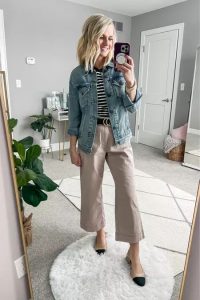
- Outfit: Dark-wash, non-ripped jeans (if allowed) + a high-quality, solid-color t-shirt (navy) + your modern blazer + classic sneakers.
- Why it works: It respects casual day policies while maintaining a teacher’s professionalism through the blazer and neat sneakers. The dark jeans are a practical, comfortable base that still looks intentional.
Formula 4: The Feminine & Floral
For spring concerts, field days, or just to lift your own spirits.
- Outfit: A knee-length floral wrap dress (with sleeves) + a denim jacket (for an extra layer) + white leather sneakers or espadrilles.
- Why it works: The dress is one-and-done simplicity. The wrap style is universally flattering. The denim jacket adds a casual, approachable layer that’s easy to remove. This outfit is spring personified but remains classroom-appropriate.
Formula 5: The Layering Pro’s Solution
For the most unpredictable spring days.
- Outfit: A sleeveless dress (solid color) + a long-sleeve, lightweight turtleneck or mock neck underneath + your blazer on top. Add a scarf if needed.
- Why it works: This is the ultimate in temperature control. You can remove the blazer and still have a covered, modest top with the turtleneck layer. It creates a sophisticated, textured look that works for a wide range of indoor and outdoor activities.
Footwear: The Foundation of Your Spring Teacher Outfits
Let’s be real: your feet carry you through 1,000+ steps a day. Footwear can make or break your comfort and, by extension, your entire day and spring teacher outfit.
The Best Flats for Teachers
- Leather Loafers: Timeless, professional, and often have a slight cushion. Look for brands known for comfort like Cole Haan, Naturalizer, or Rieker.
- Ballet Flats: Choose styles with a padded insole and a slightly structured toe box. Avoid flimsy, flat soles that offer no support.
- Sneakers: If your school allows, invest in a minimalist, all-white leather sneaker (think Veja, Koio, or classic Adidas Stan Smiths). They are shock-absorbent, comfortable for all-day wear, and clean-looking.
- Mary Janes: A fantastic, often overlooked option. The strap provides security, and they come in flat, low-wedge, and even chunky-heel versions. They have a retro, scholarly charm that fits the teaching aesthetic perfectly.
When Heels Are Acceptable (and How to Choose Them)
If you prefer a bit of height, opt for low, chunky heels or wedges (1.5 to 2 inches max). They provide more stability than stilettos and distribute weight better. Block-heel ankle boots can also work into late spring. The priority is a stable base and a cushioned footbed. Never sacrifice comfort for height in the classroom.
Accessorizing Your Spring Teacher Wardrobe
Accessories are where you inject personality into your spring teacher outfits without compromising professionalism.
- Jewelry:Stud earrings, a delicate necklace, and a simple watch are timeless. Avoid large, dangling earrings that can get caught or be distracting. A statement necklace can be worn with a simple top and blazer for a pop.
- Scarves: A lightweight silk or cotton scarf is a spring multi-tasker. Use it for warmth on chilly mornings, as a decorative accent around your neck or in your hair, or even as a makeshift blanket for a student.
- Bags: A structured tote or a satchel is essential. It needs to hold your laptop, planner, water bottle, and student supplies. Look for one with multiple compartments and a comfortable, preferably adjustable, shoulder strap. Leather or faux leather wears well and looks professional.
- Belts: A simple leather belt can cinch a dress or cardigan, adding definition to your silhouette. Keep it classic and narrow.
Seasonal Transitions & Practical Considerations
Spring weather is famously fickle. How do you adapt?
- The Morning Chill: Start with a lightweight turtleneck or long-sleeve tee under your chosen top. A denim or utility jacket is a great casual outer layer that pairs with almost anything.
- The Stuffy Classroom:Breathable fabrics are your savior. Linen blends, cotton, and moisture-wicking synthetics (for underlayers) help regulate temperature. Have a cardigan or blazer on the back of your chair to remove easily.
- The Rainy Day: A classic trench coat in beige or navy is the ultimate professional spring outerwear. It’s waterproof, stylish, and layers over any outfit. Pair it with water-resistant footwear like leather boots or good-quality sneakers.
- The All-Day Comfort:Antiperspirant is a must. Consider undergarments in breathable, moisture-wicking fabrics. Keep a compact fan or cooling towel in your bag for those unexpectedly hot afternoons.
Addressing Common Teacher Fashion Questions
Q: Can I wear jeans to school?
A: It depends entirely on your school’s policy. If allowed, choose dark-wash, straight-leg, non-ripped, non-distressed jeans. Elevate them with a blazer, nice top, and clean sneakers or loafers. Never pair them with a casual t-shirt and athletic shoes unless it’s a explicitly designated "spirit wear" or extremely casual day.
Q: What about patterns and colors? Can I be bold?
A: Yes, but with strategy. Smaller prints (tiny florals, micro-dots, subtle stripes) are generally safer than large, bold prints. Bright colors are fine in small doses—a bright blouse with neutral bottoms, a colorful scarf, or a bold pair of earrings. Avoid overly casual patterns like large logos, cartoon characters, or sports team graphics.
Q: How do I stay within a tight budget?
A: Practice strategic shopping. Buy foundational pieces (trousers, blazer, classic shoes) during major sales (end of winter, Black Friday). Use thrift stores and consignment apps (like ThredUp, Poshmark) for gently used professional wear. Swap with teacher friends. Invest in quality for items you wear constantly (shoes, bag), and save on trendier tops you may only wear a season.
Q: What’s the biggest fashion mistake teachers make in spring?
A: Dressing too young or too casual (e.g., overly short skirts, spaghetti straps without a cover-up, graphic tees, flip-flops). The goal is approachable professionalism. You want students and parents to see you as a competent authority figure, not a peer. Ill-fitting clothes is a close second—clothes that are too tight, too baggy, or constantly needing adjustment undermine your authority and comfort.
Conclusion: Confidence is Your Best Accessory
Building a stellar collection of spring teacher outfits is an exercise in practicality, personal expression, and professionalism. It starts with understanding your school’s culture and your own body’s needs. From there, invest in a capsule wardrobe of versatile, high-quality staples: the perfect trousers, a polished blouse, a reliable blazer, and a comfortable yet stylish shoe. Use the outfit formulae provided as a starting point, and don’t be afraid to mix, match, and add your own flair through accessories.
Remember, what you wear communicates a message before you even say a word. By choosing outfits that are thoughtful, appropriate, and make you feel powerful, you set a tone of respect and readiness in your classroom. You’re not just teaching a subject; you’re modeling preparedness, self-respect, and attention to detail. So this spring, step into your classroom with the confidence that comes from knowing your teacher wardrobe works as hard as you do. Now, go conquer the season, one stylish, comfortable outfit at a time.